
Kuala Lumpur’s coffee culture is built on more than modern espresso bars and specialty roasters. At the heart of the city’s coffee identity is kopi, the strong, aromatic local brew traditionally served in kopitiams alongside kaya toast, soft boiled eggs and other familiar Malaysian breakfast dishes. In recent years, KL’s coffee scene has expanded to include specialty coffee, modern cafes and international brewing techniques, but traditional kopi remains an important part of the city’s food culture.
What Is Kopi?
The word “kopi” refers to coffee, while “kopitiam” combines kopi with the Hokkien word “tiam”, meaning shop. Traditional kopitiams developed into important community spaces where people could eat, meet, read the morning newspaper and catch up with friends.
Traditional Malaysian kopi is generally darker and stronger than many Western-style coffees. It is often prepared using roasted beans and served with condensed milk, evaporated milk or sugar depending on the order.
Kopi Orders to Know
If you are visiting a KL kopitiam for the first time, understanding the basic terminology makes ordering much easier.
Kopi: Coffee served with milk and sugar.
Kopi O: Black coffee with sugar but without milk.
Kopi O Kosong: Black coffee without sugar or milk.
Kopi C: Coffee with evaporated milk and sugar.
Kopi Peng: Iced coffee.
Kopi O Peng: Iced black coffee with sugar.
The exact preparation can vary between shops, so part of the fun is discovering how different kopitiams interpret the same classic order.
Where to Experience Traditional Kopi in KL
Ho Kow Hainam Kopitiam in Chinatown is one of the city’s well-known traditional coffee shops. Established in 1956, it has maintained a strong connection with Hainanese kopitiam culture and is particularly associated with traditional coffee, toast and breakfast.
Hock Kee Kopitiam offers another traditional-style experience, while Din Sun Kopitiam 鼎盛茶室@茨厂街 is conveniently located around the Petaling Street area.
For visitors exploring Pudu, Heritage Kopitiam 大马茶室 @Pudu, Kuala Lumpur provides another option for experiencing local coffee-shop culture.
Kopi and Malaysian Breakfast
A cup of kopi is rarely enjoyed in isolation. Traditional kopitiam breakfasts often pair coffee with kaya toast, butter, soft boiled eggs and other local dishes. This combination has become one of the most recognisable elements of Malaysian coffee culture.
The experience is as much about the setting as the food. Marble tables, old shop houses, ceiling fans and busy breakfast counters create an atmosphere that modern cafes often deliberately try to recreate.
Traditional Kopi Meets Specialty Coffee
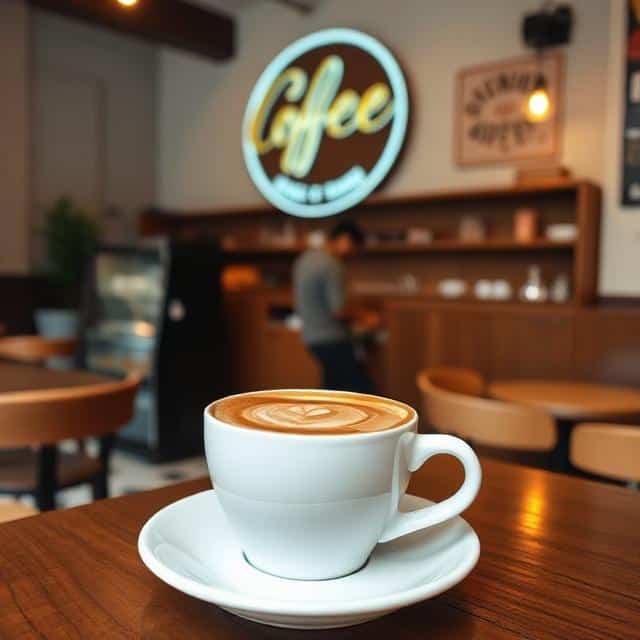
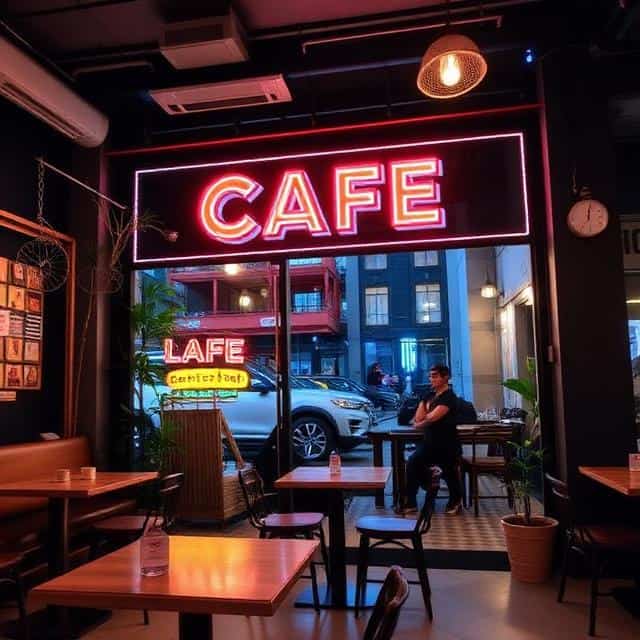
KL’s coffee culture is not standing still. Traditional kopitiams now exist alongside modern specialty coffee shops offering imported beans, espresso-based drinks, pour-over coffee and contemporary brewing techniques. Time Out describes Kuala Lumpur’s modern coffee scene as an expanding landscape of imported beans, advanced equipment and skilled baristas.
For a modern specialty experience, Common Man Coffee Roasters – Kuala Lumpur in TTDI is a popular choice, while Feeka Coffee Roasters offers another established cafe experience in Bukit Bintang.
How to Explore KL’s Coffee Culture
The best way to understand Kopi KL is to experience both sides of the city’s coffee scene. Start with a traditional kopitiam in Chinatown or Pudu, order a kopi with kaya toast, and observe the rhythm of the morning crowd. Then visit a modern specialty coffee shop to see how Kuala Lumpur’s coffee culture has evolved.
The contrast is what makes KL interesting. Traditional kopi represents heritage, routine and community, while specialty coffee represents experimentation and a new generation of coffee enthusiasts.
Final Thoughts
Kopi KL is more than a drink. It is part of Kuala Lumpur’s everyday culture and a window into the city’s history. From generations-old Hainanese kopitiams to modern specialty coffee bars, the city offers an unusually broad coffee experience.
For travellers, the best coffee guide is therefore not simply a list of the most fashionable cafes. It is a journey from traditional kopi to modern coffee, discovering how both continue to shape Kuala Lumpur’s identity.